
Getting a Montesa Cota 247 Ready for Vintage Trials
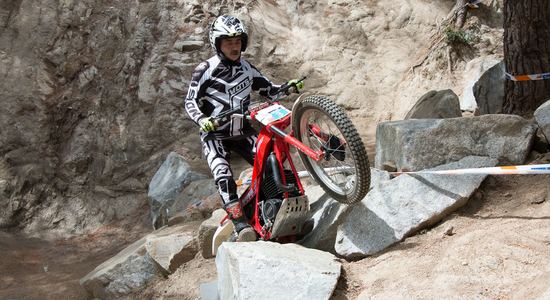
A Montesa Cota 247 needs a safety check before a vintage trials outing. Storage can harden tyres, stiffen cables and affect drum brakes. At Southwest Montesa, we first ask whether the bike can stop, steer and respond reliably. Then we consider the event's equipment rules.
Make Sure You Have the Right 247 Parts Reference
Identify the version before comparing components. Our model ID list associates the Cota 247 with the 21M designation, but year and variant still matter. A 247-T or modified machine may need different references.
Compare identifying marks and installed equipment against period literature. A replacement lever, hub or carburetor may differ from the original. Confirm details before adopting another bike's adjustment figures. Even a machine that looks factory-correct in photographs may carry replacements.
Confirm the Bike Is Safe to Start
With the ignition off, inspect the tank, fuel tap and lines for leaks, cracks or stale fuel. Address contaminated fuel and deteriorated hoses before starting. Check wiring near the steering head and engine.
Test controls by hand. The throttle must snap shut at either steering lock; cables must not bind or fray. Check the engine cut-out before riding. Repair a failed switch rather than bypassing it.
Look for wet patches around the engine and forks. Check that footrests and handlebar clamps are secure, and look for damage around the frame. Investigate unexplained fluid loss. Leave a suspected unsafe machine switched off.
Check Wheels, Brakes and Running Gear
A Cota 247 pre-ride checklist should cover spoked wheels, drum brakes, twin shocks, forks, steering and final drive. The Motorcycle Safety Foundation's pre-ride inspection offers a useful framework; skip equipment your 247 lacks.
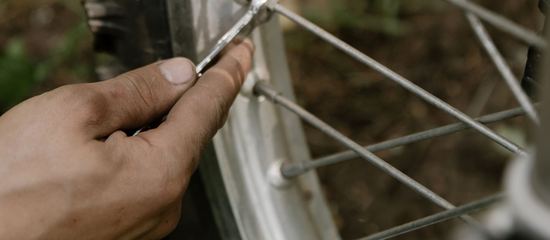
Start with these stationary checks before approaching a section. Note any fault that calls for dismantling or specialist tools; a quick adjustment at the venue is no substitute for inspection:
| Check | Warning sign | Next action |
|---|---|---|
| Tyres and spoked wheels | Cracked rubber, loose spokes or wheel play | Inspect tyres, rim and bearings; repair faults |
| Drum brakes | Weak response, dragging or damaged control cable | Inspect the complete brake mechanism |
| Forks, twin shocks and steering | Oil on fork legs, binding or steering play | Investigate seals, mounts and bearings |
| Chain and sprockets | Tight spots, severe wear or poor alignment | Correct adjustment or replace worn components |
A moving brake lever proves little. Verify that each wheel stops and releases properly; uncertain performance calls for a brake inspection by someone qualified.
Support the bike securely to inspect wheel rotation and spoke condition. Examine shock mounts, fork tubes and the chain. Rotate the rear wheel by hand to look for uneven chain tension, while keeping fingers clear of the sprocket. Use period documentation for adjustment values.
Keep Changes Appropriate for Vintage Trials
A roadworthy 247 may still fall outside an event's originality rules. Organizers may restrict controls, suspension and appearance even when safety updates make sense. Ask before irreversible changes.
The FIM's 2026 vintage trial technical rules describe categories that consider twin shocks, air cooling and drum brakes, as well as authenticity and safety measures. Those provisions govern the relevant FIM events. They also address exceptions for certain required safety equipment, subject to inspection. They do not automatically determine eligibility at a local American club trial.
Send clear photos and model details when eligibility is unclear. Check before modifying the motorcycle.
Three Practical Questions
Three questions recur when classic machines return to use.
Can I ride a stored 247 without checking its brakes?
We would not. Drum shoes, cables, pivots and the braking surfaces all deserve inspection after storage. Rust, contamination and poor cable movement can change how the brake feels. Test both brakes under controlled conditions only after addressing obvious defects. If stopping performance is doubtful, ask a qualified mechanic to investigate.
Will a safety improvement rule out vintage competition?
Not necessarily. Organizers may allow or require certain safety changes while restricting other modifications. The answer depends on the specific event and class. Check the current regulations before fitting equipment, and keep a record of the bike's configuration.
Which figures must come from the period manual?
Use documentation for your exact version to confirm ignition settings, fuel and oil requirements, chain slack, wheel or brake dimensions and tightening values. Avoid borrowing numbers from another 247 variant or a later trials model simply because the parts appear similar.
A useful vintage Montesa trials setup begins with sound brakes, free-moving controls and predictable steering. We recommend keeping a short record of faults and the work completed before each outing. This checklist is general guidance; consult the correct period manual, a qualified mechanic for safety-critical defects and the rules of the event you intend to enter.