
How to Maintain a Montesa Cota 4RT Between Trials Events

A Montesa Cota 4RT may feel ready while hiding damage from the last section. Mud conceals worn chain guides; a sticky throttle may catch only when the bars turn. At Southwest Montesa, we recommend repeatable pre-ride, post-event and scheduled checks so small faults do not become surprises.
Start With the Manual for Your 4RT's Year
Establish the model and year before choosing a fluid or service interval. The 4RT family spans several versions; factory instructions can differ. A 2022 260R figure cannot stand in for an earlier 250's specifications.
Keep the correct manual handy. A gentle practice session and a muddy event demand different attention, so follow its guidance for severe use.
Before You Ride
Our 4RT pre-ride checks begin with safety. Give yourself a fixed inspection order rather than relying on what you happened to notice at the previous event. Walk around the stationary machine before starting the engine:
- Look underneath for fuel, engine oil, transmission oil or coolant leaks. Check visible hoses and the fuel line for damage.
- Open and release the throttle with the engine off. It should close freely at every handlebar position; inspect cables and their routing if it catches.
- Squeeze each brake and check its response. Inspect accessible pads, hoses and fittings for wear, damage or seepage.
- Examine both tyres for cuts, embedded objects and pressure that differs from the manual's recommendation. Check wheels and spokes for obvious damage.
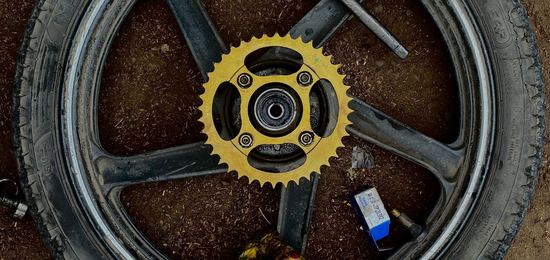
- Check drive-chain slack against the correct manual. Look at the sprocket teeth, chain slider and tensioner, then confirm adequate lubrication.
- Check steering movement, suspension action and accessible mounting fasteners. Investigate looseness or unusual play before riding.
A check of controls, tyres and chassis follows the Motorcycle Safety Foundation's pre-ride inspection approach. Adapt the list to your equipment. Do not ride with a damaged brake line or sticking throttle.
What We Check After an Event
Clean off dust or mud, avoiding water pressure near bearings, seals, connectors and the intake. Inspect the newly visible surfaces once dry. Check beneath the front mudguard too: accumulated dirt can interfere with moving parts or hide a loose fitting.
Inspect the air cleaner closely. Dust may lodge inside apparently clean foam, and dry events can require unscheduled cleaning. Follow the manual's method.
Check for packed mud near sprockets, worn chain guides and loose skid-plate mounts. Compare fresh wet marks around the engine, radiator and fork legs with your pre-ride notes. Persistent fluid loss needs diagnosis.
When the Next Service Is Due
We separate condition checks from scheduled replacement work. A quick inspection may reveal a fault even when no oil or filter change is due. Use this reminder, then follow your manual for exact intervals:
| When | What to check | Next action |
|---|---|---|
| Before every ride | Brakes, throttle, tyres, chain, leaks and fasteners | Correct defects before starting |
| After a trials event | Air cleaner, dirt traps, chain, guides and fresh seepage | Clean, inspect and record changes |
| At the manual's service points | Oils, oil filter, cooling system and internal inspections | Follow exact year/variant procedures |
For example, the 2022 260R maintenance schedule distinguishes each race or roughly 2.5 hours from every six races or roughly 15 hours, alongside longer calendar intervals. In that specific manual, engine oil receives a frequent inspection while engine oil, its filter and transmission oil have replacement entries in the six-race column.
Those intervals apply to that 2022 version. Record event hours and conditions; consult your own schedule before servicing.
Keep Engine Oil and Transmission Oil Separate
The four-stroke 4RT has separate lubrication circuits for the engine and the clutch/transmission. A rider checking Cota 4RT engine oil must therefore distinguish it from Cota 4RT transmission oil. One level reading cannot tell you whether both circuits have the correct amount or condition.
Check the owner's instructions for each fill point, level-check method, fluid grade and capacity. Label your service notes by circuit so that a transmission-oil change never gets mistaken for an engine-oil change. Do not pour the same product into both systems simply because the containers sit beside each other. When engine oil service comes due, check whether the specified procedure also calls for an oil-filter replacement and inspection of the strainer screen.
Check the manual before touching an unfamiliar drain plug. Use its sealing and tightening instructions; valve-clearance work requires the correct tools and method.
Three Quick Owner Questions
Three questions help distinguish routine care from a workshop problem.
Does every 4RT have the same service intervals?
No. Use the schedule for the specific model year and version, then account for the conditions in which you ride. The 2022 260R hour columns offer a useful example of how a factory schedule works, not a substitute for earlier manuals.
Is a clean-looking air filter enough?
No. A surface glance can miss fine dust or deterioration. Check the filter element, its seating and the surrounding airbox as your manual describes, especially after a dry event. Replace damaged material rather than relying on appearances.
When should I stop and consult a mechanic?
Stop if the throttle sticks, braking is inconsistent, steering has unexplained play or you find a significant leak. Abnormal engine noise and suspected cooling-system faults also call for investigation. Do not test a possible safety defect by riding another section.
Resolve safety faults before the next start. For year-specific questions, ask us for technical advice with the model year and symptoms ready. This guidance is general information, not a replacement for your exact owner's manual or a qualified mechanic's inspection.